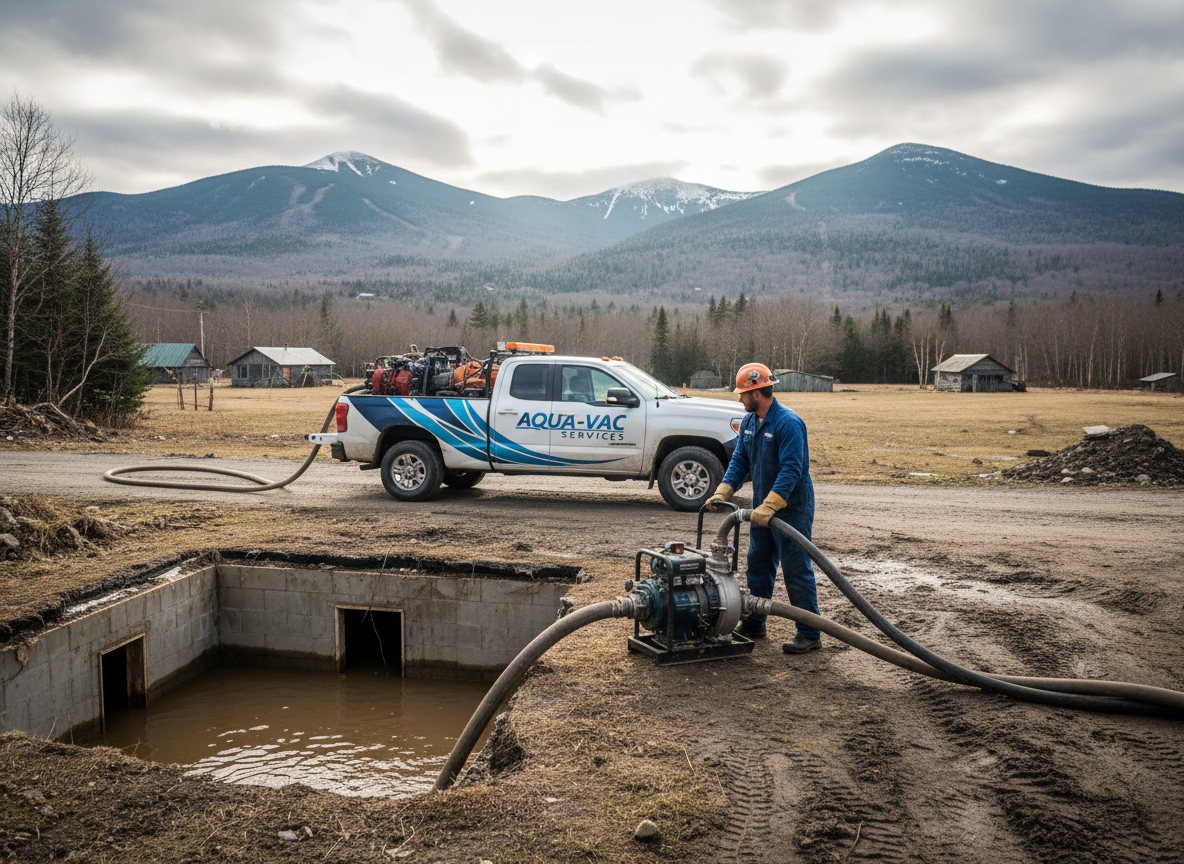
Sugarloaf sits at elevation in San Bernardino County where winter snow loads on roofs and sudden warm-ups send meltwater under foundations and into crawl spaces of older cabins. Water extraction here often starts with locating hidden channels created by the steep terrain around San Bernardino National Forest rather than obvious surface flooding. Portable submersible pumps and truck-mounted units must navigate narrow driveways and tight access points common on Maple Ln and surrounding streets before any drying begins.
Edge cases appear when snow melt mixes with soil on sloped lots near Running Springs, carrying fine sediment that clogs standard extraction hoses and leaves residue in hardwood subfloors. Technicians familiar with the area use sediment filters and multiple passes to prevent re-soaking of insulation in walls built before modern vapor barriers. Cold temperatures after extraction can refreeze residual moisture inside joists if dehumidification is not staged correctly for the mountain climate.
Homes in Sugarloaf frequently have pier-and-beam construction that traps water against sill plates during spring runoff. Extraction teams check for water migration along utility trenches that run downhill toward Big Bear Lake roads. Failure to pull water from these paths leaves hidden pockets that later produce musty odors once summer temperatures rise.
Technician insight
In Sugarloaf, the thing that catches most people out with water extraction company work is how fast snow melt from the San Bernardino National Forest slopes funnels under older pier-and-beam cabins on Maple Ln, soaking insulation from below before anyone notices.
Post-Snow Melt Extraction on Maple Ln
After a rapid thaw, water appeared in a Sugarloaf crawl space fed by runoff from nearby slopes. We located sediment-filled channels running toward utility lines. Portable pumps cleared the water while filters prevented clogs, then drying equipment ran until readings dropped below risk levels.
How it works
- 1
Site Assessment
Walk the property and crawl space to map water paths created by local snow melt and terrain.
- 2
Standing Water Removal
Deploy pumps suited for sediment-laden runoff common after winter storms in Sugarloaf.
- 3
Moisture Mapping
Use meters to locate trapped water in walls and under floors of older mountain homes.
- 4
Equipment Setup
Place air movers and dehumidifiers calibrated for cold, high-humidity conditions after snow events.
- 5
Final Verification
Re-check moisture levels and clear access routes before leaving the site.
Pricing
Upfront quotes after inspection; price varies with water volume, sediment load, and access on hilly Sugarloaf lots.