2026-10-15 ·
How Melting Snow Causes Water Damage in Sugarloaf Homes
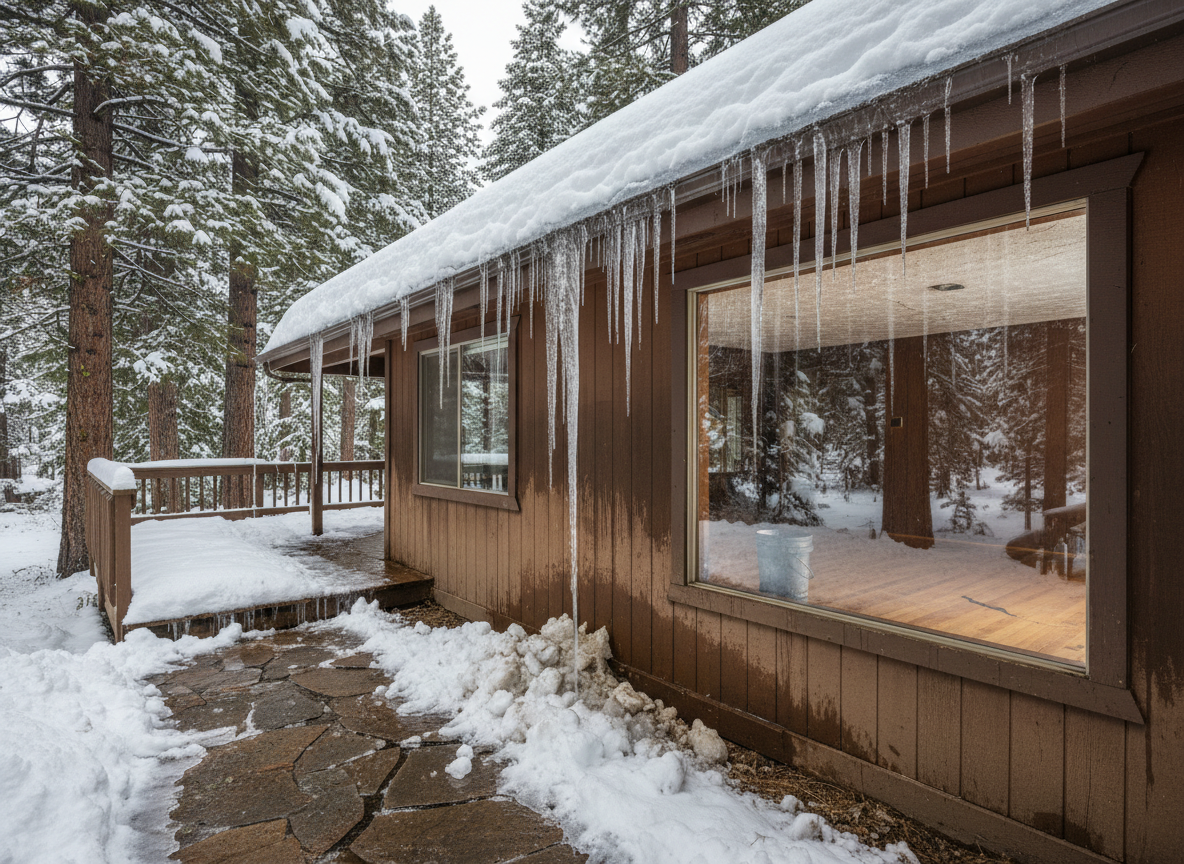
Melting snow causes water damage in Sugarloaf homes when daytime temperatures rise above freezing while nights stay cold, sending steady runoff against foundations, into crawl spaces, and under roof edges after weeks of accumulation in the San Bernardino Mountains.
Snow Buildup and Spring Thaw Patterns
Sugarloaf sits at elevation where winter storms drop snow that lingers from November into March. Warm days in April and May turn that pack into runoff that flows toward homes built on slopes. The freeze-thaw cycle repeats for weeks, forcing water into small gaps around concrete slabs and sill plates. Homes near Running Springs and Big Bear Lake face the same pattern because they share the same elevation band and drainage. Older cabins with pier-and-beam construction allow water to reach wooden beams that stay damp for months. Newer homes on concrete still see water track under stucco when gutters overflow from rapid melt.
Entry Points Common to Local Housing Stock
Most Sugarloaf homes built before 1980 have crawl spaces or low foundations that sit close to grade. Snow piled against the north side of a house melts slowly and pools against the stem wall. Roof valleys and chimney flashings collect ice dams that later release water under shingles. Attic vents on the downhill side pull meltwater inward when wind drives it. Plumbing penetrations through exterior walls become leak points once surrounding soil saturates. These openings let water reach insulation and subfloors before anyone notices standing water inside.
Hidden Damage That Develops Over Weeks
Water from snow melt often stays hidden behind baseboards or under carpet pads for 30 to 60 days. Wood framing absorbs moisture slowly, then swells and cracks drywall seams. In the humid mountain air, even small leaks support mold growth within 72 hours once temperatures climb. Mold prevention after water intrusion in humid mountain climates explains how the same conditions appear after every heavy winter. Left alone, the moisture also rusts metal straps and reduces the effectiveness of under-floor insulation.
What Homeowners Can Check After Thaw
Walk the perimeter once daytime highs stay above 45 degrees and look for soft soil or new cracks at the foundation. Check attic insulation for dark spots or compressed areas near roof edges. Lift a few carpet corners in rooms that face the prevailing wind. Note any musty smell near bathroom or laundry walls. These checks take less than an hour and reveal problems before they reach living spaces. When water has already entered finished areas, emergency water removal stops further absorption into drywall and flooring.
Mitigation Steps That Match Local Conditions
Clear snow from the foundation line before it melts, especially on the uphill side of the lot. Extend downspouts at least six feet away from the house once gutters are clear. Add or repair flashing at roof-to-wall junctions before the next storm season. Seal exterior penetrations with flexible caulk rated for freeze-thaw movement. These steps reduce the volume of water that reaches the structure during the annual thaw. When damage is already present, water damage mitigation restores affected materials before mold colonies expand.
Closing the Loop on Seasonal Water Issues
Snow melt water damage in Sugarloaf follows the same calendar every year, so tracking roof and foundation condition each spring prevents repeat repairs. Homes that receive prompt drying after intrusion show far less long-term structural change. Residents who combine basic exterior maintenance with early interior checks keep repair costs lower than those who wait for visible stains. The mountain climate will continue to produce freeze-thaw cycles, yet consistent attention to drainage and quick response to moisture keeps homes sound through successive winters.