2026-10-15 ·
Protecting Your Sugarloaf Property from Wildfire-Related Water Damage
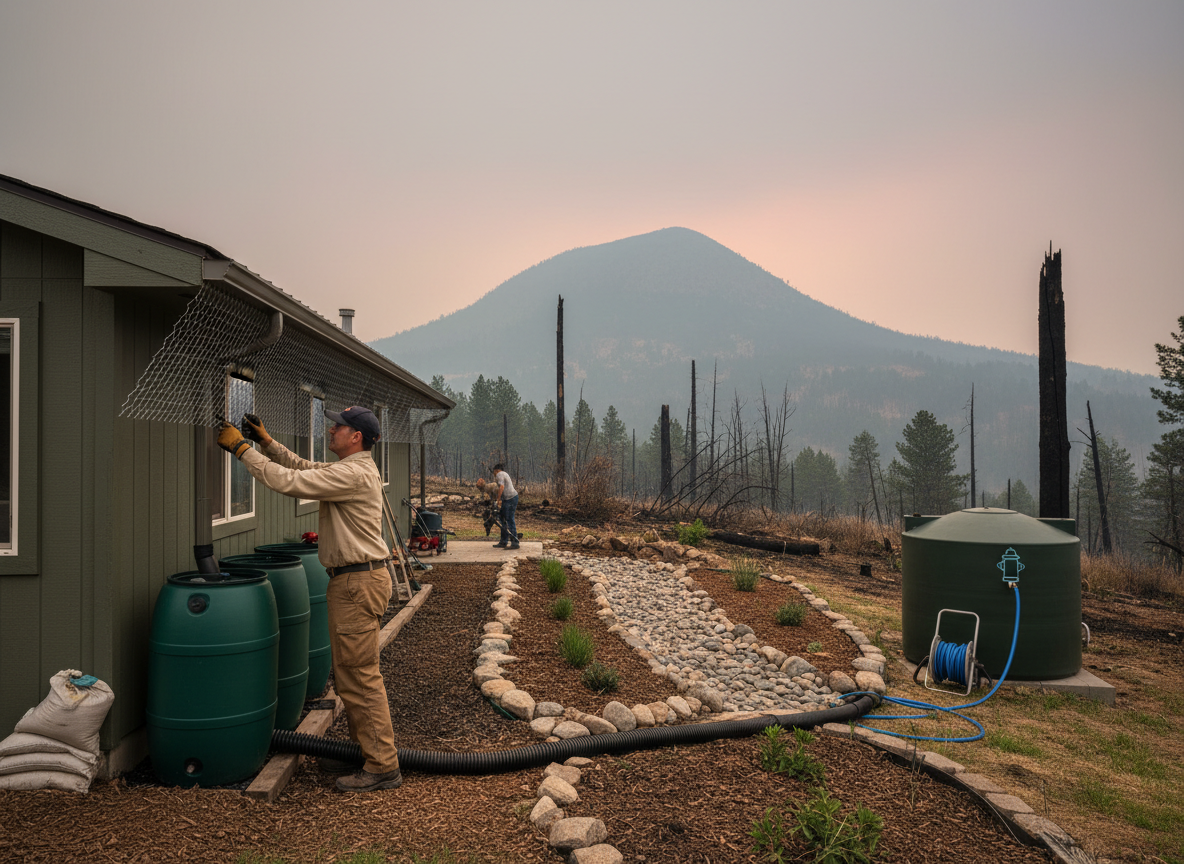
In Sugarloaf, the first 24 to 48 hours after firefighters use water on a blaze determine whether your cabin faces weeks of hidden decay or a contained recovery. Properties tucked near the San Bernardino National Forest often see thousands of gallons dumped on roofs and foundations during suppression, and that volume soaks into older wood-frame homes common throughout Sugarloaf and nearby Running Springs. Once winter temperatures drop below freezing, trapped moisture expands, cracks siding, and pushes into crawl spaces.
Assessing Water Intrusion from Firefighting Efforts
Fire crews in San Bernardino County rely on heavy water streams that can flood attics, saturate insulation, and pool under decks built on sloped terrain. Cabins constructed before the 1990s frequently lack modern vapor barriers, so water travels along floor joists and into wall cavities within hours. Walk every level immediately after the all-clear and note soft spots in subfloors or darkened baseboards near Big Bear Lake roads where wind-driven embers often trigger the largest responses. Check exterior grading around 498 Maple Ln addresses because snowmelt later in the season can re-wet already compromised foundations.
Handling Immediate Extraction in Cold Mountain Conditions
Mountain winters slow natural drying, so mechanical removal must begin before temperatures fall below 32 degrees. Portable extractors pull standing water from concrete slabs common in Sugarloaf homes, while air movers and dehumidifiers sized for 1,200-square-foot cabins run continuously for three to five days. Homeowners who delay this step watch moisture readings climb above 20 percent in wall cavities, setting the stage for hidden rot by spring. Emergency water removal teams familiar with local access roads reach properties off Highway 38 faster than general crews and adjust equipment for overnight lows that reach the teens.
Preventing Mold After Suppression Water Soaks Insulation
Once water from suppression events sits in cellulose insulation for more than 72 hours, mold colonies establish in the humid microclimate created by melting snow on metal roofs. Sugarloaf cabins with limited attic ventilation see relative humidity spike above 60 percent even in January, accelerating growth on ceiling joists. Remove and replace saturated batts within seven days, then run HEPA filtration for 48 hours to capture spores before they settle into living spaces. Mold prevention after water intrusion in humid mountain climates outlines the exact drying targets that keep Sugarloaf homes under the 55-percent threshold through spring thaw.
Long-Term Mitigation and Seasonal Monitoring
Install seamless gutters and extend downspouts at least six feet from foundations to redirect snowmelt away from crawl spaces that already hold residual firefighting water. Re-grade soil around the perimeter every two years so it slopes four inches over the first six feet. Schedule annual inspections each October before first snow, focusing on roof penetrations where embers and hose water combine. Track repair costs against factors affecting water damage repair costs in Sugarloaf so you can budget for full insulation replacement when readings exceed 18 percent moisture. Water damage remediation after fire crews available 24/7 at 498 Maple Ln coordinate with local forest service reports to stage equipment before roads close for winter.
Coordinating with Local Response Resources
Sugarloaf residents coordinate through San Bernardino County emergency channels that post real-time water usage estimates after each incident near the national forest boundary. Keep a moisture meter on site and test baseboards monthly through April when snowpack releases additional water into already stressed foundations. Properties along Maple Lane and adjacent streets share similar soil composition of decomposed granite that drains quickly once extraction begins, shortening overall drying times compared with clay-heavy lots closer to Big Bear Lake.